
1. Applications :
- Screening raw milk quality at farms, collection points, or dairy labs
- Assessing thermal stability before pasteurization or heat processing
- Early indication of high acidity or poor protein quality
- Fast field or in-house testing without complex equipment
- Suitable for routine quality checks in dairy supply chains
2. Compliance Standards
There are no formal global regulatory standards specifically for the alcohol gun itself, but its use aligns with traditional milk quality screening practices used in dairy laboratories. The underlying alcohol test procedure is commonly referenced in dairy quality control protocols
3. Product Description :
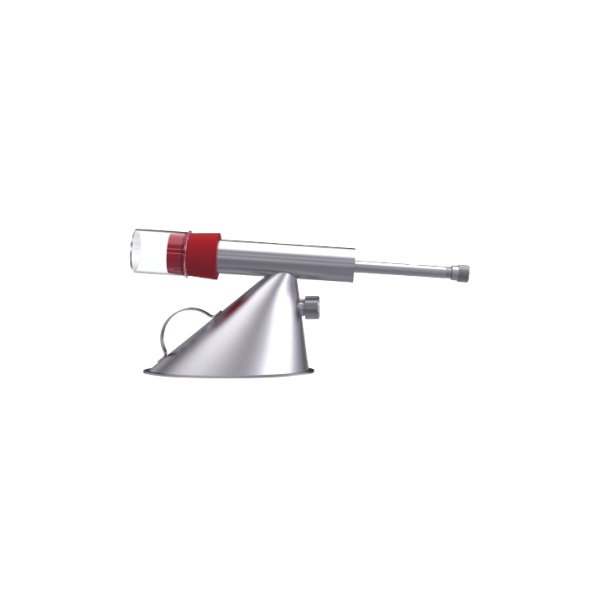
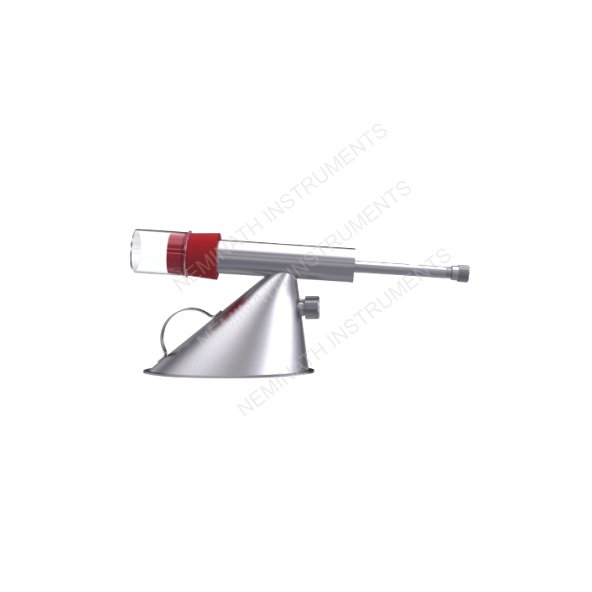
The Alcohol Milk Testing Gun is a manual milk quality testing instrument used primarily in dairy plants, milk reception centres, and laboratories to perform the alcohol test — a quick screening method to assess the thermal stability and overall quality of fresh milk. It helps indicate whether the milk will coagulate (curdle) when mixed with a specified concentration of ethanol (usually ~68%), which is linked to acidity levels, protein stability, and freshness.
The device typically consists of a stainless steel body, a reagent chamber to hold ethanol, and a dispensing mechanism (“gun”) for controlled release.
4. Technical Specifications
|
Feature |
Typical/Approximate Value |
|
Material |
Stainless Steel body (rust-resistant) |
|
Automation Type |
Manual actuation |
|
Test Time |
~3 seconds per test |
|
Weight |
~1.0–1.5 kg (varies by model) |
|
Reagent Used |
Ethanol solution (typically ~65–68% v/v) |
|
Body Finish |
Silver / SS polished |
|
Temperature Range |
Ambient room temperature use |
|
Operation |
Hand-held trigger with controlled volume dispensing |
5. Apparatus Supplied :
Typically, the product package includes:
- Alcohol Milk Testing Gun (main device)
- Attachment (e.g., glass beaker/chamber for milk + ethanol mix)
- Basic instruction sheet
- Protective box or packaging.
6. Optional Accessories :
- Additional reagent bottles (e.g., ethanol bottles)
- Protective trays for sample handling
- Alternative dispensing nozzles (for precise volume)
- Extra beakers/test tubes
7. Common Capacities / Availability
These devices are usually sold as single handheld units for manual testing. Larger batches (e.g., 10 units for labs) are often available from suppliers if needed for routine use.
8. Dimensions and Weight (Approximate)
|
Parameter |
Approximate Value |
|
Length |
~25–30 cm |
|
Width |
~5–8 cm |
|
Height |
~10–15 cm |
|
Weight (net) |
~1.0–1.5 kg |
|
Packing Size |
Depends on vendor |