
Application
Plastic beakers are used for:
- Mixing and preparing solutions
- Approximate measurement of liquids
- Handling acids, alkalis, and routine chemicals
- Sample collection and transfer in dairy, chemical, pharmaceutical, food, and educational labs
- Situations where breakage of glassware must be avoided
Compliance Standard
- ISO guidance for laboratory plasticware
- Manufactured from laboratory-grade Polypropylene (PP)
- Autoclavable as per PP material limits
Product Description
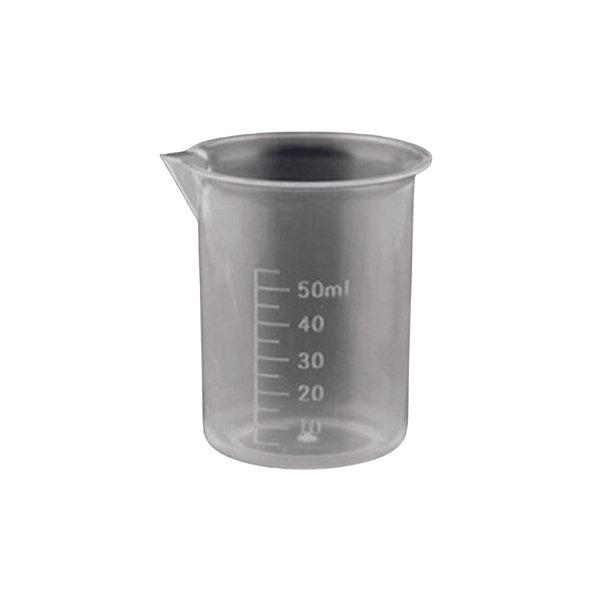
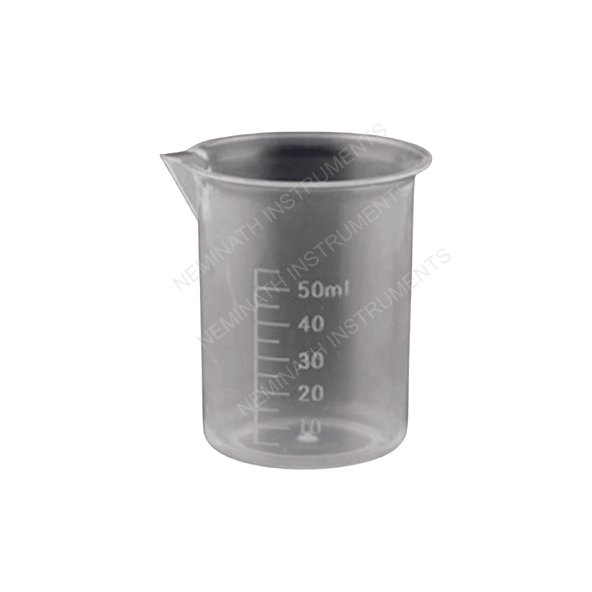
Plastic beakers are molded from high-quality, chemical-resistant Polypropylene. They are lightweight, unbreakable, and feature clear molded graduations for approximate volume measurement. The beakers have a spout for easy pouring and a stable base for bench use.
Suitable for routine laboratory work where chemical resistance and safety are important.
Technical Specifications
|
Parameter |
Specification |
|
Material |
Polypropylene (PP) |
|
Type |
Low form beaker with spout |
|
Graduation |
Molded, readable markings |
|
Chemical Resistance |
Excellent to acids & alkalis |
|
Temperature Resistance |
Up to 120°C (approx.) |
|
Autoclavable |
Yes |
|
Break Resistance |
Unbreakable under normal use |
|
Weight |
Very light |
|
Transparency |
Translucent |
Apparatus is Supplied
- Plastic beaker (selected capacity)
Common Capacities Available:
50 ml, 100 ml, 250 ml, 500 ml, 1000 ml, 2000 ml
Optional Accessories
- Plastic stirring rod
- Wash bottle
- Measuring cylinder
- Storage rack
Dimensions & Weight (Approx.)
|
Capacity |
Height |
Diameter |
Weight |
|
100 ml |
70 mm |
55 mm |
20 g |
|
250 ml |
90 mm |
70 mm |
35 g |
|
500 ml |
110 mm |
85 mm |
60 g |
|
1000 ml |
135 mm |
105 mm |
110 g |
|
2000 ml |
170 mm |
135 mm |
180 g |