
1. Applications
- Sample separation in biological, clinical and biochemical labs (e.g., cell debris, protein isolation)
- Blood component processing (e.g., plasma/serum separation)
- PCR and molecular biology prep (spin-down of reaction mixtures)
- Microbiology and cell culture workflows (pelleting of microorganisms)
- Educational and teaching labs for demonstrations
- Routine clinical diagnostics (e.g., separation of small-volume samples)
2. Compliance Standards
Mini centrifuges typically conform to established laboratory equipment safety standards and best practices, such as:
- CE marking and electrical safety compliance (varies by manufacturer)
- IEC/EN 61010-1 – Safety requirements for laboratory equipment (electrical)
- ISO 13485 conventions for medical laboratory device quality systems (product dependent)
- Built-in lid-lock and imbalance detection for operator safety
3. Product Description
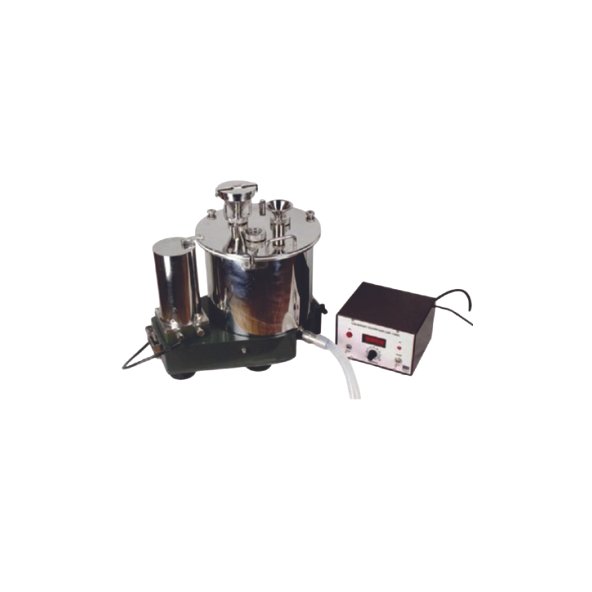
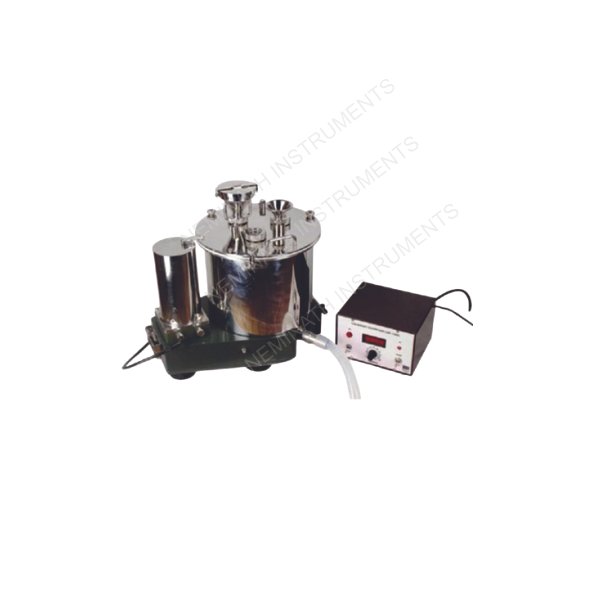
A Mini Basket Centrifuge Machine (often called a mini centrifuge or micro centrifuge) is a small, tabletop laboratory instrument designed to rapidly spin liquid samples at high speeds to separate components based on density. Centrifugal force causes denser materials (pellets) to move outward and lighter supernatant fluids to remain above. These machines are compact, easy to operate, and ideal for handling small volumes of microtubes (0.2–2 mL) or similar sample containers.
4. Technical Specifications
|
Parameter |
Typical Values / Range |
|
Operation Mode |
Electric, benchtop |
|
Speed Range |
~1000 – 10000 RPM (model dependent) |
|
Maximum RCF |
Up to ~5600×g (varies) |
|
Capacity |
4 – 12 tubes (0.2–2.0 mL) |
|
Rotor Type |
Fixed angle or adaptors for PCR/micro tubes |
|
Timer |
0 – 15/99 min (digital or analog) |
|
Display |
LED/LCD (on some models) |
|
Power Supply |
AC 220–240 V, 50/60 Hz |
|
Safety Features |
Lid lock, automatic stop on imbalance or lid open |
5. Apparatus Supplied
Standard equipment typically includes:
- Mini centrifuge unit
- Rotor compatible with micro tubes (e.g., 8×1.5/2.0 mL)
- Power cord
- Instruction manual
6. Optional Accessories
- Additional rotors (for different tube capacities)
- Adapters for PCR strips
- Balanced tube sets
- Carrying case or anti-vibration mat
- Calibration and service kit
7. Common Capacities Available
Mini centrifuges are offered in capacities tailored to small tubes and micro volumes:
|
Capacity |
Typical Use |
|
4–6 Tubes (1.5/2.0 mL) |
Basic clinical or research tasks |
|
8-Tube Rotor |
Common for routine lab workflows |
|
12-Tube Options |
Higher throughput in compact labs |
8. Dimensions & Weight (Approximate)
|
Feature |
Typical Range |
|
Footprint (L×W×H) |
~160 × 170 × 120 mm |
|
Weight |
~1–3.5 kg |
|
Portable / Benchtop |
Yes, compact for limited space labs |