
1. Application
- Measures Total Dissolved Solids (TDS) in water and aqueous solutions
- Used in laboratories, water treatment plants, dairy, food & beverage, and environmental monitoring
- Helps assess water quality, mineral content, and purity
- Suitable for routine water testing, quality control, and process monitoring
2. Compliance Standard
- ISO 9001 certified manufacturing
- CE / RoHS certified electronic components
- ASTM D1125 (standard methods for water conductivity & TDS measurement)
- IEC 61010 compliant for laboratory electrical safety
- GLP-compliant for laboratory water quality testing
3. Product Description
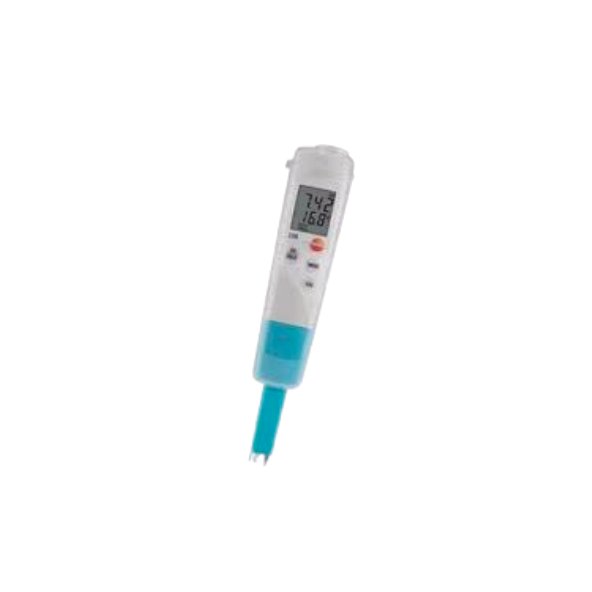
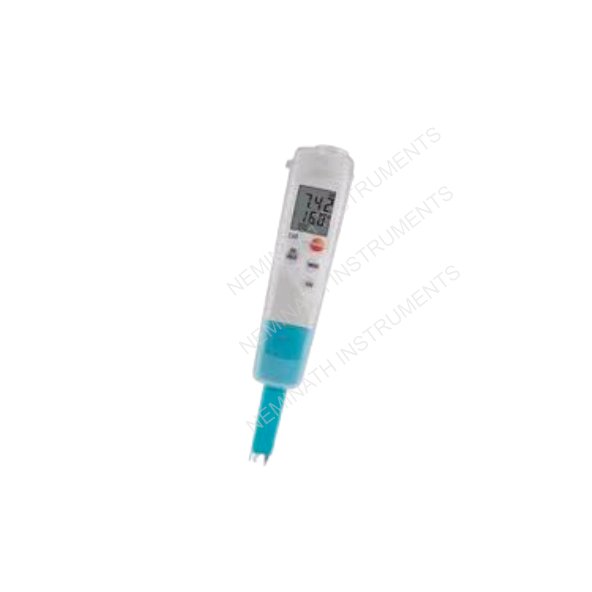
The TDS Meter is a handheld or benchtop digital instrument for quick measurement of dissolved solids in liquids:
- Measures TDS in ppm (parts per million) or mg/L
- Portable, compact, and battery-operated (or mains powered for benchtop versions)
- Equipped with electrodes/probes and digital display
- Automatic temperature compensation (ATC) for accurate readings
- User-friendly interface with one-button operation or digital keypad
4. Technical Specifications
|
Parameter |
Specification |
|
Measurement Range |
0–9999 ppm (model dependent) |
|
Accuracy |
±2% full scale |
|
Resolution |
1 ppm |
|
Temperature Compensation |
Automatic / manual (0–50°C typical) |
|
Conductivity Range |
0–2000 µS/cm (for dual TDS/conductivity meters) |
|
Power Supply |
2 × 1.5 V AA batteries (handheld) / 220–240 V (benchtop) |
|
Display |
LCD with backlight (optional) |
|
Electrode Type |
Platinum or graphite (TDS probe) |
|
Calibration |
Manual or automatic one-point/two-point calibration |
|
Operating Temperature |
0–50°C |
|
Humidity |
0–80% RH |
|
Housing Material |
ABS plastic / splash-proof (IP65 optional) |
5. Apparatus is Supplied
- TDS meter unit
- Electrode/probe (integrated or separate)
- Battery (for handheld version)
- Protective carrying case (for portable meters)
- Instruction manual and warranty certificate
6. Optional Accessories
- Replacement electrodes / probes
- Calibration solutions (standard 342 ppm, 1413 ppm, 12.88 mS/cm)
- Carrying pouch or rugged field case
- USB / Bluetooth interface for data logging
- Benchtop stand or holder for laboratory meters
7. Common Capacities / Ranges Available
- Handheld portable: 0–999 ppm / 0–1999 ppm
- Laboratory benchtop: 0–9999 ppm with conductivity measurement
- High-salinity / industrial models: up to 20,000 ppm
- Temperature measurement included in most models
8. Dimensions & Weight (Approx.)
|
Model |
Dimensions (H × W × D) mm |
Approx. Weight (g / kg) |
|
Handheld portable |
150 × 40 × 25 |
120–150 g |
|
Benchtop lab model |
200 × 150 × 100 |
1–1.5 kg |
|
Industrial high-range |
250 × 200 × 120 |
2–2.5 kg |
9. Safety & Handling
- Do not immerse the meter beyond the recommended level
- Rinse probe with distilled water after each use
- Avoid rough handling or dropping the meter
- Calibrate regularly using standard solutions for accuracy
- Store in a dry place and remove batteries if not in use for long periods